







Search Results for: Italian-style milk coffee

A Complete Guide to Coffee Flavors: From Classic Americano to Italian-Style Specialty Drinks—Understanding Blue Mountain, Mandheling, and More in One Go
On a weekend afternoon, whether you're enjoying the quiet alone at a corner café or inviting friends over to drink together at home, choosing the right cup of coffee often sets the tone for the entire experience. Do you truly understand the flavor differences among various types of coffee? Starting from the two main branches—American-style and Italian-style—this article breaks down one by one the taste characteristics of classic single-origin coffees such as Front Street Blue Mountain, Front Street Mandheling, Mocha, Brazil, and Kenya, as well as Italian-style specialty drinks like Latte, Cappuccino, Irish Coffee, Macchiato, and Con Panna, helping you find the cup that best suits your taste buds. [more…]
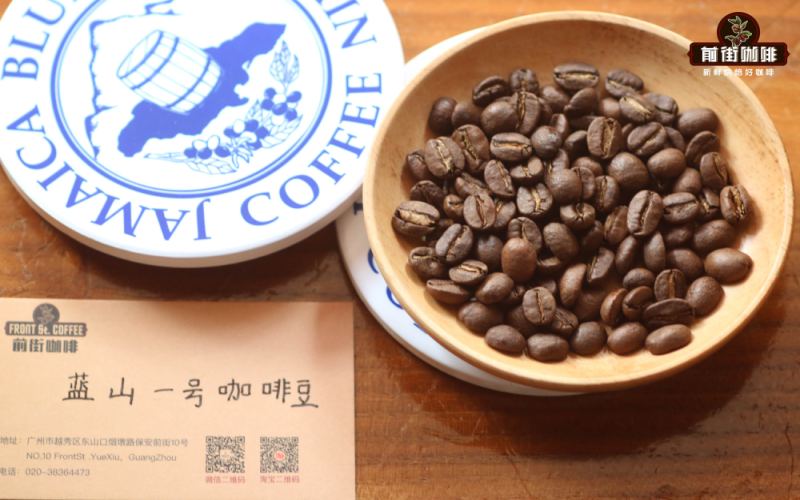
An Analysis of Jamaican Blue Mountain Coffee Flavor Characteristics: A Complete Guide to the Taste of Classic Coffees Such as Blue Mountain, Mandheling, and Mocha, and Italian-Style Drinking Methods
On a weekend afternoon, whether you're enjoying the quiet alone at a corner café or inviting friends over to drink together, choosing the right cup of coffee often determines the atmosphere for the whole afternoon. Faced with a dazzling array of American-style and Italian-style coffees, are you clear about the flavor characteristics of each one? This article systematically sorts out the origins and tastes of classic American-style coffees such as Blue Mountain, Mandheling, Mocha, Brazil, and Kenya, and introduces the composition and drinking methods of Italian-style drinks such as latte, cappuccino, Irish coffee, macchiato, and con panna, helping you make a more suitable choice based on your taste preferences. It also includes related recommendations from Front Street Coffee. [more…]
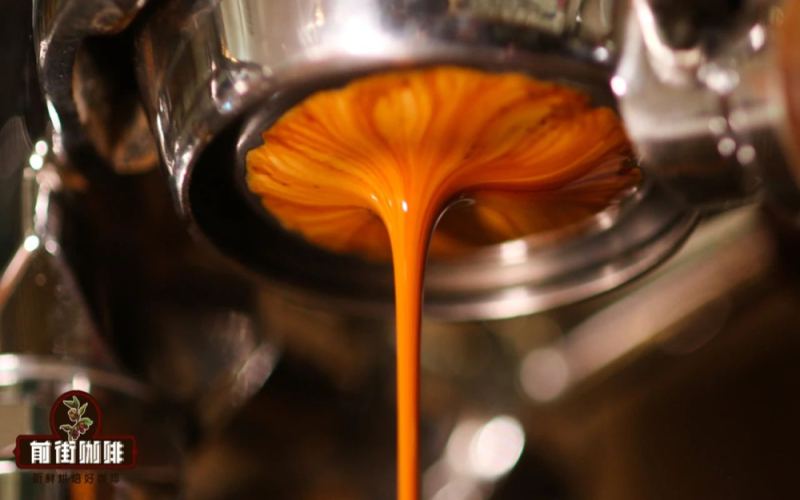
What coffee beans should be paired with espresso? Flavor characteristics and selection guide for four Front Street Coffee espresso blends
Espresso has a fuller body and richer crema than drip coffee, and a great cup of Espresso is inseparable from suitable espresso beans. Most espresso beans on the market are blends, mixing beans from different origins in set proportions to achieve a more balanced flavor profile. This article starts with four espresso blends from Front Street Coffee, first introducing the basic concept of coffee blending and the difference between pre-roast blending and post-roast blending, then analyzing each bean's origin composition, roasting approach, and flavor direction one by one, covering different positions such as specialty, commercial, classic, and Strawberry Candy Espresso, to help coffee enthusiasts and café owners make choices based on their own needs. [more…]

Commercial Coffee Bean Rankings | Which Italian-style blend bean roasting brands are suitable for beginners? Recommendations for tasty everyday coffee beans for espresso extraction
Coffee enthusiasts who frequently visit coffee shops may have noticed that espresso drinks are all made with blended coffee beans, meaning two or three types of coffee beans are mixed together to make a milk coffee or an Americano. So what are blended coffee beans? What are espresso blend coffee beans? As mentioned earlier by Front Street Coffee, blending [more…]
A Complete Guide to Italian-Style Fancy Coffee: Recipes, Ratios, and Flavor Profiles of Cappuccino, Latte, Mocha, and More
Want to understand the proportions and taste differences of Italian-style fancy coffees like cappuccino, latte, and mocha? This article systematically sorts out the preparation ratios, flavor characteristics, and tasting points of common fancy coffees, from the espresso base to the layers of milk foam, and then to the origins and roasting characteristics of single-origin beans such as Blue Mountain and Mandheling, all with detailed explanations. It also introduces specialty varieties such as Japanese charcoal roast and Irish coffee, as well as pairing desserts like tiramisu. Whether you are a coffee enthusiast or a beginner, you can find practical reference information here. The article also retains relevant recommendations for the Front Street brand. [more…]
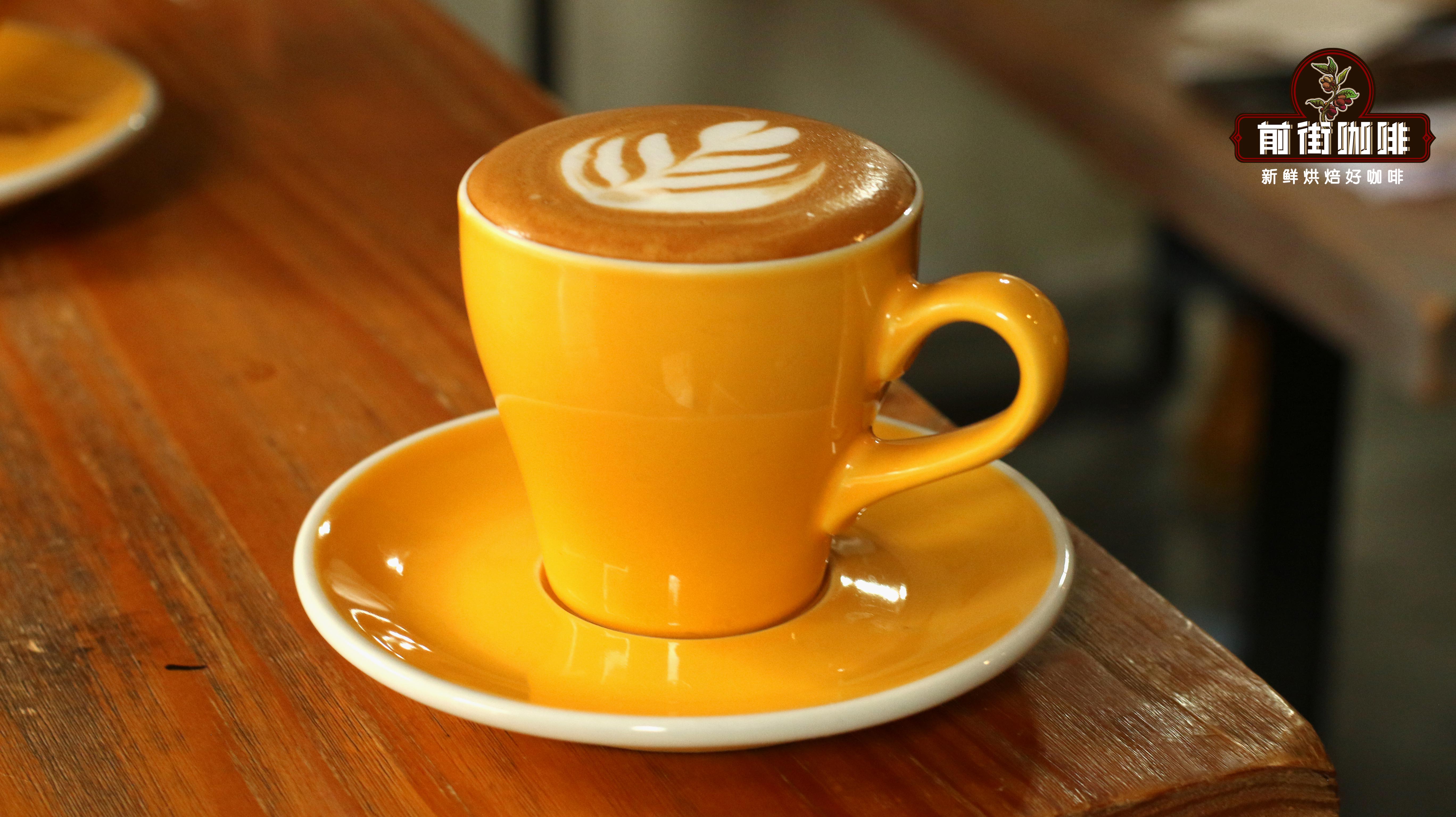
What's the difference between a latte and a cappuccino? A complete guide to the methods, ratios, and caffeine content of Italian milk coffees
Latte and cappuccino are the two most frequently ordered milk coffees on the Italian coffee menu. They share the same ingredients—espresso, milk, and milk foam—but their texture and ratios are quite particular. Drawing on Front Street Coffee's production experience, this article systematically sorts out the definitions of latte and cappuccino, their historical origins, the choice of espresso beans, extraction parameters, milk steaming temperature and foam thickness, as well as their respective recommended ratios and flavor performance. It also answers the common question of how much caffeine a latte contains, helping coffee lovers more clearly choose the Italian milk coffee that suits their taste. [more…]

Espresso Milk Coffee Blend Bean Recommendations | Is There a Big Difference Between an Australian White and a Flat White? How Can Coffee Newbies Make a Starbucks Flat White at Home?
For more specialty coffee knowledge, please follow: Front Street Coffee (Frontsteet Coffee) Speaking of Luckin's Australian White and Starbucks' Flat White, these two coffees actually refer to the same coffee—Flat white. This is a coffee beverage invented in Australia, made from espresso [more…]
Espresso vs. Americano: Brewing Methods, Bitterness Comparison, and Milk & Sugar Recommendations
Espresso and Americano sound like they differ by only one word, but their actual meanings are worlds apart. This article starts from the origins of the concepts to help you clarify the relationship between espresso, the broader category of Italian-style coffee, and Americano, and explains in detail the brewing ratios for Americano, the differences between iced and hot preparations, and how adding sugar or milk affects the flavor. It also draws on Front Street Coffee's production experience to offer specific parameter recommendations for the classic Italian-style blend and the Warm Sun blend, including the ratio of espresso to hot water, the proportions for iced Americano, and the amount of fresh milk to add—practical information suitable for coffee lovers who are just starting out or looking to refine their brewing skills. [more…]
A Complete Guide to All Types of Espresso Drinks: The Espresso Trio, Milk-Based Coffees, and Specialty Flavored Beverages
Walking into any café, the espresso menu is always so dazzlingly varied that it's hard to choose. What exactly is the difference between Espresso, Ristretto, and Lungo? Why do Americano and Long Black taste so different? What are the respective proportions and characteristics of a Latte, Cappuccino, Flat White, and Piccolo? This article starts with the three extraction methods of espresso, and goes through the complete family tree of black coffee, milk coffee, and espresso-based specialty coffee drinks one by one, helping you sort out the recipe logic and flavor characteristics of each drink, so you won't be confused the next time you order. [more…]
Commercial Espresso Coffee Beans | Which Italian-style beans are used for espresso machine extraction? Italian-style coffee bean recommendations for beginners and home coffee machines
Espresso-based coffee is made with espresso as its foundation. Looking at the composition of most espresso drinks, they all require a single or double shot of good-quality espresso. Americano is made by adding a large amount of drinking water to espresso, while a latte is made by adding milk to espresso. Flavored coffees such as mocha, however, are made by adding even more on top of a latte. [more…]
Italian-style blend coffee beans vs. single-origin beans: how to choose? Analyzing blending principles and extraction flavor through Front Street Coffee's four recipes
Which tastes better: single-origin coffee beans or formula beans (blended coffee beans)? This is a common question for many coffee enthusiasts when they are just getting started. This article begins with the history of coffee blending, sorts out the definition of espresso blend coffee beans, the four major blending principles, and the preparation steps before blending, and uses Yunnan small-bean coffee as an example to explain how to design an espresso recipe. It then combines Front Street Coffee's four espresso blends—Black Cocoa Blend, Commercial Blend, Specialty Blend, and Sunflower Warm Sun Blend—to provide flavor descriptions and recipe ratios one by one, and finally includes Front Street's espresso extraction parameters for coffee enthusiasts to refer to and compare. [more…]

Everyday Italian-style go-to beans: light, medium, or dark roast—how to choose for daily use
The roast level of espresso beans directly affects the aroma, acidity, body, and how well the espresso gets along with milk. Light roasts tend to preserve fruity notes and brightness, medium roasts strike a balance between sweetness, richness, and clarity, while dark roasts push the flavor toward cocoa, nuts, and roasted notes. Which one to drink every day can be decided by [more…]
Characteristics of Espresso | How to Extract Espresso with Rich Crema? Recommended Espresso Machine Coffee Beans That Are Tasty, Affordable, and Beginner-Friendly
As coffee culture sweeps across the country, coffee shops have gradually spread to every street and alley, with Italian-style coffee, known for its speed and convenience, being especially popular. A rich and aromatic espresso gives rise to all kinds of popular Italian-style coffees, and Front Street Coffee is here to talk about the characteristics of espresso, the "soul" of the coffee shop. Espresso [more…]
Can cheese be integrated into an Italian-style milk coffee? A step-by-step guide to making a savory cheese latte special.
In the depth of winter, nothing is more longed for than a steaming cup of specialty latte. After chocolate mocha, Spanish condensed milk latte, and apple cinnamon latte have taken their turns in the spotlight, coffee lovers have set their sights on an ingredient that seems completely unrelated—cheese. The rich creamy aroma and distinctive salty umami of cheese happen to fill the gap in body and complexity that latte needs. This article focuses on salted cheese latte, starting with why cheese is suited for coffee, then explaining the approach to selecting ingredients, and finally providing complete step-by-step instructions along with Front Street Coffee's bean recommendations, so you can recreate a cheese specialty drink with interwoven salty and sweet notes and a multidimensional mouthfeel right at home. [more…]
High-value Italian-style blend beans recommendation: balancing budget and drinking frequency
A high-value espresso blend isn't just about memorizing a few names. When buying beans for daily use, you need to consider how quickly you'll drink through them, how much to buy at once, and whether you'll mainly be making black coffee or milk-based drinks at home. What really offers useful reference points is the sweet-to-sour ratio on the palate, the body's thickness or thinness, and the aftertaste once the coffee has cooled—then, combined with your brewing habits, you can choose a suit [more…]
A Bean Selection Guide for Italian-Style Milk Coffee: How to Choose Between Single-Origin, Blends, and SOE, Plus Key Points for Making a Latte
As the most widely consumed coffee beverage, latte is not only the sales driver for cafés but also the go-to choice for many enthusiasts starting out with espresso. However, when faced with the dazzling array of coffee bean products on the market, should you use single-origin, blend, or SOE to make espresso-based milk coffee? What kind of flavor performance do different roast levels and processing methods bring? This article will start from the definition of latte, sort out the logic for choosing espresso beans versus pour-over beans, analyze the flavor differences between dark-roast blends and light-roast SOE, and, combined with Front Street Coffee's specific bean list cases, provide production suggestions for medium-roast or flavor-oriented single-origin beans, helping readers find the latte bean solution that best suits their own taste. [more…]

Single-Origin Espresso | Why Are SOE Coffee Beans So Popular? Which Is Better: SOE Coffee Beans or Blend Beans? What Should You Watch Out for When Buying SOE Coffee Beans?
In recent years, many coffee shops have introduced SOE coffee. Even quite a few friends who come to Front Street's store ask as soon as they walk in whether SOE is available here. So Front Street will briefly analyze why SOE has become popular. SOE (single origin espresso) means single-origin espresso. [more…]
Italian-style beans: choose dark roast or medium-dark roast, balancing budget and drinking frequency
Remembering a few names is not enough when it comes to dark roast and medium-dark roast espresso beans. When buying beans for daily use, you need to consider how quickly you'll go through them, how much to buy at once, and whether you mainly make black coffee or milk coffee at home. What's truly worth referencing is the sweet-and-sour balance on the palate, the body thickness, and the aftertaste once cooled — then, combined with your brewing habits, choose [more…]
An In-Depth Review of Chinese Coffee Bean Brands: Real-World Feedback and Buying Guide for Ten Popular Brands (Including Front Street Recommendations)
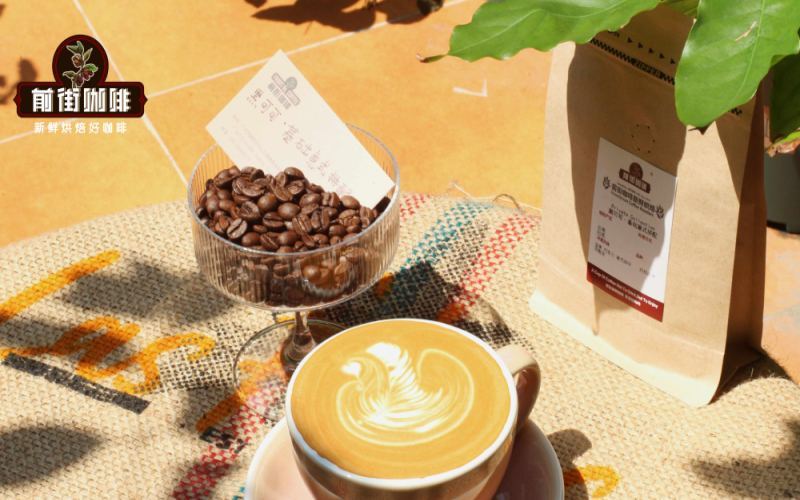
The market is flooded with coffee bean brands, from Italian-style blends to single-origin beans, from international giants to emerging local players—so which brand's coffee beans are really worth buying? This article first recommends two popular Italian-style coffee beans for coffee lovers—Front Street Dark Cocoa Blend and Front Street Strawberry Candy Espresso. The former pairs medium-dark roasted Yunnan small-bean coffee with Brazil Red Bourbon, offering a soft, balanced flavor of nuts, chocolate, and plum, suitable for Americanos and lattes; the latter blends beans from three major regions—Costa Rica, Colombia, and Ethiopia—with aromas of rose, citrus, grape, and dried blueberry, releasing a strawberry gummy candy flavor when milk is added. It then presents a top ten popularity ranking of coffee beans and ground coffee, detailing prices, review counts, and real user feedback one by one, helping you quickly find the one that suits your taste among the many brands. [more…]
Which Coffee Beans Should You Choose for Making a Latte? A Complete Workflow and Recipe Breakdown for Italian-Style Latte
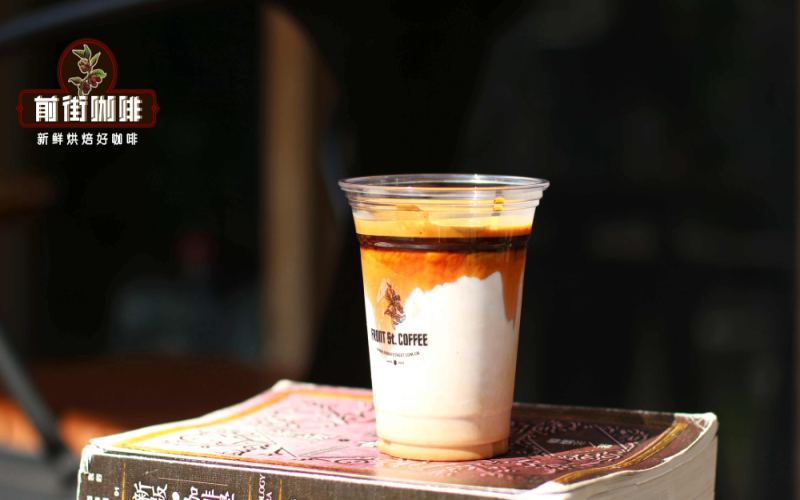
Latte is one of the most iconic espresso drinks, where the richness of espresso and the warmth of milk blend together to create a balanced, smooth taste. To recreate a café-quality latte at home, three things matter most: choosing the right coffee beans, pulling consistent espresso shots, and getting the milk-to-coffee ratio right. This article starts with bean selection, introducing several espresso blends suited to making lattes, then breaks down the full process step by step — from grinding, distributing, and tamping to pulling the shot, steaming the milk, and pouring latte art — to help you make an outstanding latte. [more…]